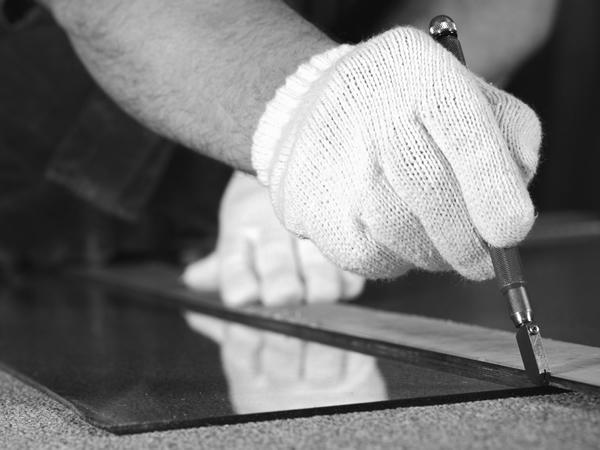
Flat glass off-cuts must be considered as by-products

Flat glass off-cuts must be considered as by-products Flat glass off-cuts must be considered as by-products
Photo source
glassforeurope.com

Date: 13 March 2019

It has been estimated that between 750.000 and 1 million tonnes of flat glass off-cuts are generated every year in the EU.

Since flat glass off-cuts meet all criteria to be considered as by-product set in the Waste framework Directive (2018/851), Glass for Europe calls on Member States to take the necessary measures for a full recognition of this valuable resource for the flat glass industry and facilitate the move to a more circular economy.

Flat glass off-cuts are the result of the transformation process of flat glass to obtain products such as insulating glass units, automotive glazing. It has been estimated that between 750.000 and 1 million tonnes of flat glass off-cuts are generated every year in the EU: a precious resource that can be recycled in the flat glass manufacturing process and deliver reduced energy consumption and CO2 emissions.

In the position paper Making Circular Economy a reality: Recognition of flat glass off-cuts as by-products, released today (7 March 2019), the European flat glass association highlights that the transport and recycling of flat glass off-cuts are made uselessly more difficult and costlier when these are considered as waste. The Waste framework Directive, which is currently under implementation at Member States’ level, clarifies that objects such as flat glass off-cuts shall be considered as by-products.
Read the position paper.

600450 Flat glass off-cuts must be considered as by-products glassonweb.com

Others also read

The challenges facing the glass and glazing industry continue to evolve. From changing regulations and product safety reforms to energy efficiency targets and skills development, businesses are navigating an increasingly complex landscape.
Saint-Gobain and AGC are joining forces to deploy a world-first, large-scale hybrid electric furnace at Saint-Gobain's Avilés plant in Spain, set to cut CO₂ emissions from flat glass production by around 50%.
Glass can be recycled indefinitely, and using glass cullet in production reduces the need for virgin raw materials, energy consumption and greenhouse gas emissions.
The Fenestration and Glazing Industry Alliance (FGIA) has released an updated technical information report describing what sound is, how it is transmitted, how it is measured and how its transmission can be controlled.
Specification will include enamel application standards on all types of glass for quality assessment.
Gain valuable insights from industry experts at the 2026 FGIA Fall Conference in Calgary, AB, where timely education and practical solutions will take center stage.

Add new comment

From industry

İçmeler Mah. D-100 Karayolu Cad. No:44A,
34947 Tuzla,/İstanbul
Turkey

Ctra. Estación Km. 15.8
44415 Rubielos de Mora Teruel
Spain